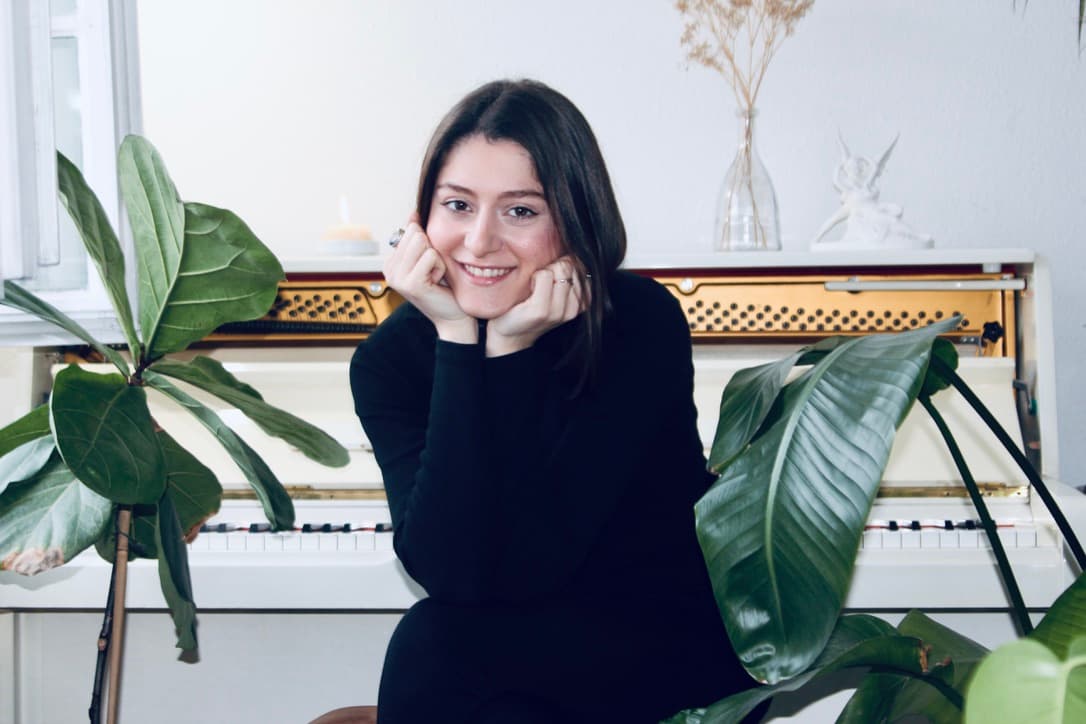
When parents bring their child to my studio in Hamburg for the first time, they usually have one goal: "We want them to learn piano." Fair enough. But after a few months, the conversations change. They start saying things like, "She's more focused at school," or "He actually sits down and finishes things now."That's the part of piano lessons no one tells you about upfront. The instrument is almost a side effect.
Focus That Transfers to Everything Else
Playing piano asks a child to do several things at once — read notes, move both hands independently, listen to what they're producing, and adjust in real time. It's a workout for attention.I notice this especially with my students between ages 6 and 8. After a few months of weekly lessons and short daily practice, their parents consistently report better focus during homework. Not because piano is magic, but because they've practiced sustaining attention in a structured way, over and over, in small doses.The key is short, regular practice rather than long sessions. Fifteen minutes a day does more for a child's concentration than an hour on weekends. I write specific practice tasks in each student's lesson notebook so they know exactly what to work on — no guessing, no overwhelm.
Patience and Discipline (Without the Pressure)
Children learn quickly that you can't rush a piano piece. You play it slowly until your fingers know what to do, then a little faster, then a little faster. There's no shortcut.This teaches something that's hard to teach any other way: that effort over time produces results. Not talent, not intelligence — consistent effort. One of my students, a 9-year-old, told her mother after mastering her first Bach minuet: "I didn't think I could do it, but I just kept going." That's discipline learned through experience, not a lecture.
Confidence That's Earned
There's a particular kind of confidence that comes from performing something you've worked hard on. It's different from being told "good job" — it's the feeling of knowing you can do something difficult because you've done it.I see this in studio recitals. A child who was nervous two weeks ago walks up, plays their piece, and sits back down with a completely different posture. That moment sticks with them far beyond music.
Creativity and Problem-Solving
Piano isn't just about reproducing notes on a page. Even beginners make small creative decisions — how loud, how soft, how fast. As students progress, they interpret pieces, improvise, and sometimes compose their own melodies.This kind of structured creativity — working within constraints while making something personal — is exactly the skill that helps with writing, math, and any kind of problem-solving later on.
When to Start
Most children are ready for structured piano lessons around age 6. Before that, musical play and rhythm activities are more appropriate and more effective. I've written more about this in my post on the best age to start piano lessons.
The Honest Version
Piano lessons won't turn your child into a genius or guarantee straight A's. What they will do is give your child a place to practice focus, build patience, express themselves, and experience what it feels like to get good at something through their own effort. Those are skills that matter in every part of life. You can see how I structure piano lessons for children in Hamburg before deciding whether the format fits your family.If you're curious whether your child is ready, a trial lesson is the simplest way to find out. There's no commitment — just 25 minutes to see how they respond.
Reading about it is one thing — sitting at the piano is another.